
Handling the Grief of a Pet

The only constant in this world is death. As dark and sad as that may be it’s an inevitable fact that we will all at one point suffer the loss of those around us. I have experienced many losses in my life from elders to friends but recently I experienced the loss of an animal. I expected this loss to be similar to the loss of humans but it was drastically different. When I have lost loved ones in the past my mind tried to justify that it was based on their age, their lifestyle choices etc. in order for me to cope with the grief. Another coping mechanism I previously used was the idea of duality and knowing that each person has both negatives and positives; that their actions both good and bad have contributed to the result of their life and fate. The absence of duality and the absence of being able to justify this animal’s fate based on their actions was what made it so incredibly hard.

Max was a strong, caring dog with a LOT of personality. I was blessed to have had him in my life for eight wonderful years. His presence brought my family and I joy we didn’t know we could experience. Being in quarantine has been a blessing in many many ways but the biggest blessing was having the opportunity to be at home with him for the last few months of his life. Max was sadly diagnosed with adenocarcinoma in April 2020 and the months since then were filled with him as our primary focus. We tried so many things to help him heal and ease his pain. I truly cherished every single moment with him.

Sadly, on November 19, 2020 his condition changed drastically in a matter of hours. It was the first time I experienced a death right in front of me and the details are still too raw to share. This experience caused a lot of trauma and created emotions of anger and guilt. It was very hard for me to justify that something so pure was subject to a disease that caused so much suffering. I felt angry and guilty that I couldn’t save him. The imagery of his last moments became engraved in my head. I normally try to compartmentalize my emotions in order to continue my fast paced life. However, this time compartmentalizing and trying to be normal wasn’t an option. I quickly learned that my previous coping mechanisms for human loss were no longer applicable and that I needed external help.

I learned through my therapist that grief is not linear. This was something that I didn’t really realize with my past human losses. We are always told that time heals and that has been something my mind incorrectly learned. It is ok for us to be sad today, next week or in a year. We need to observe our emotions, let them be and allow ourselves to feel. Another great thing that I learned was how to shift my sad emotions to reflecting on memories and celebrating his life. I now let myself focus on the positive aspects of the memories I have versus thinking about the way that he left this world.

Another challenge I faced while grieving Max was the common misconception that pets are just pets. Pets are family members, just because they aren’t human doesn’t mean they don’t communicate with us, love us and share a special bond with us. This is still a concept not truly grasped by those who have never had a pet. The feeling of being judged, or having people not truly understand my emotions was very difficult. The amount of times I was asked “Are you going to get another dog?” was wild. This question was so bizarre to me, you wouldn’t just replace a family member if you lost them so why were people not understanding this concept. These interactions really taught me that I had to take responsibility for my grief to not allow these questions and comments to affect my mood or mental wellbeing.

An important thing that was discussed with my therapist was that both animals and humans deserve some type of memorial service. I am so grateful that my religion commemorates all souls, animal or human. It was my pleasure to honor Max’s life the way that we did as he was such a wonderful presence in our lives.

This whole experience was very monumental for me. I created such a high functioning routine in quarantine where I was using my time as wisely as possible. The impact of this grief shifted that routine completely to where I didn’t even want to do the things that would normally bring a sense of happiness and productivity into my life. My therapist also taught me that my sense of productivity became linked to all aspects of my routine so even when I tried to do a few things I didn’t feel satisfied because the satisfaction came from everything within the routine. I had to shift what I deemed as constants in my routine to an as needed basis to allow myself to gradually return to normal. This was a hard adjustment mentally but allowed me to feel accomplished each day. I am still in the stages of acute grief but am learning more about myself and how to process my emotions everyday.

I wanted to write this post to empower those who have lost animals and have had similar experiences. Animals are so pure, loving and deserve so much. I am truly grateful for being blessed with this special type of love. Max was such a special being and his memories will last a lifetime. He will be remembered forever and loved always.
Chakra Education: Crown Chakra (Sahasrara)

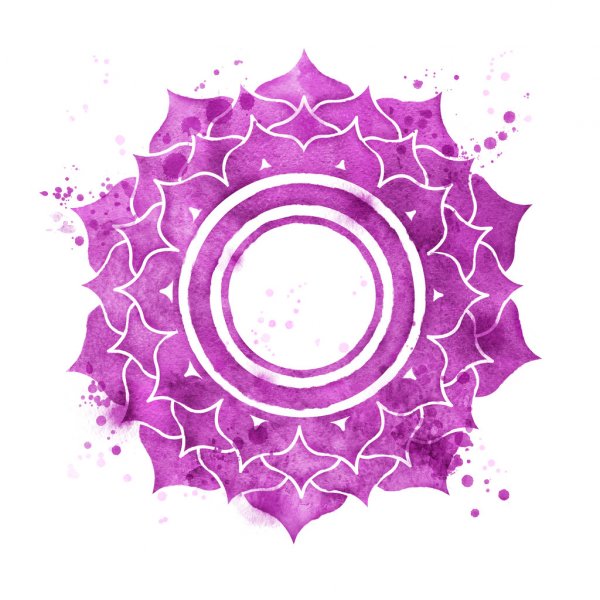
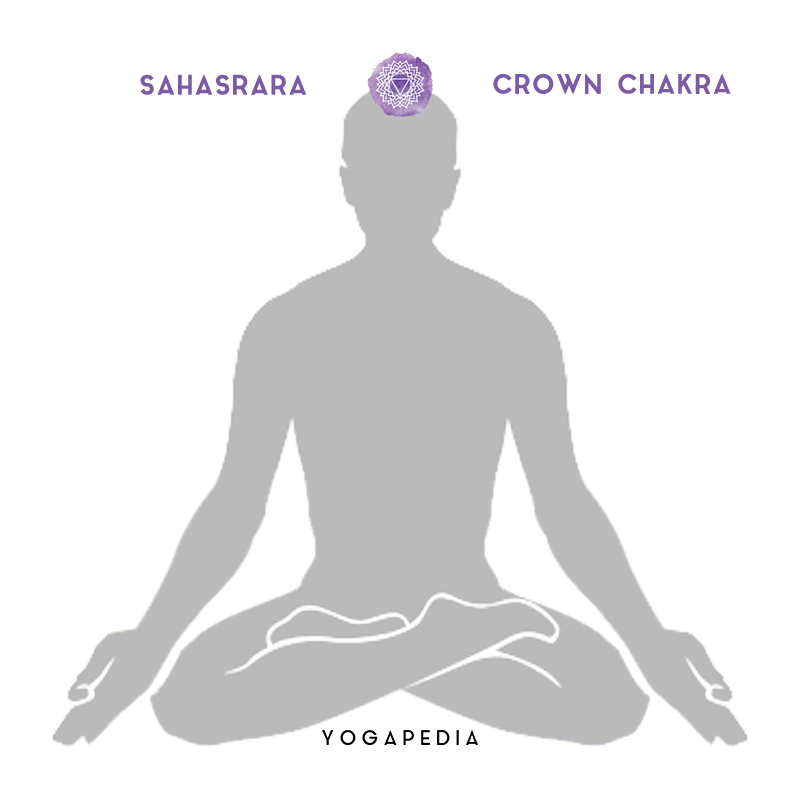
The Sahasrara chakra is more commonly known as the Crown chakra. This chakra is anatomically located at the top of the cranium and is associated with the cerebral plexus. This chakra’s symbol is represented by a circle surrounded by an inverted 1000 petal lotus. The Sahasrara chakra is associated with our higher awareness and connection to the universal consciousness. The Bija Mantra for this chakra is “Aum” and chanting this mantra can help keep this chakra clear of blockages. The deity for this chakra is beyond all names and forms of God. However, chanting the mantra “Om Namah Shivaya” can be very beneficial for keeping this chakra clear and aligned.

The Crown chakra can be healed and kept in alignment with the use of crystals such as lepidolite, selenite, clear quartz, diamond and amethyst. These crystals can be used by being placed at the top of your head and rotating it clockwise during meditation. Essential oils can also be used during meditation or daily to keep this chakra balanced. Some of these include holy basil, jatamansi, brahmi, rosemary, frankincense and ylang ylang.

Imbalances of this chakra can present as feelings of disconnection to the world, materialism and lightheadedness. The main practice that can help with imbalances is Dhyana, better known as meditation. During meditation, focusing on the location of the crown chakra and picturing white light flowing through it allows you to connect with your higher self and balance this chakra.

Thank you for reading the last installment of the Chakra Education series, I hope you all enjoyed this series and learned a lot. If you have any further questions regarding this content feel free to email me at jovanna.contact@gmail.com.

Chakra Education: Third Eye Chakra (Ajna)

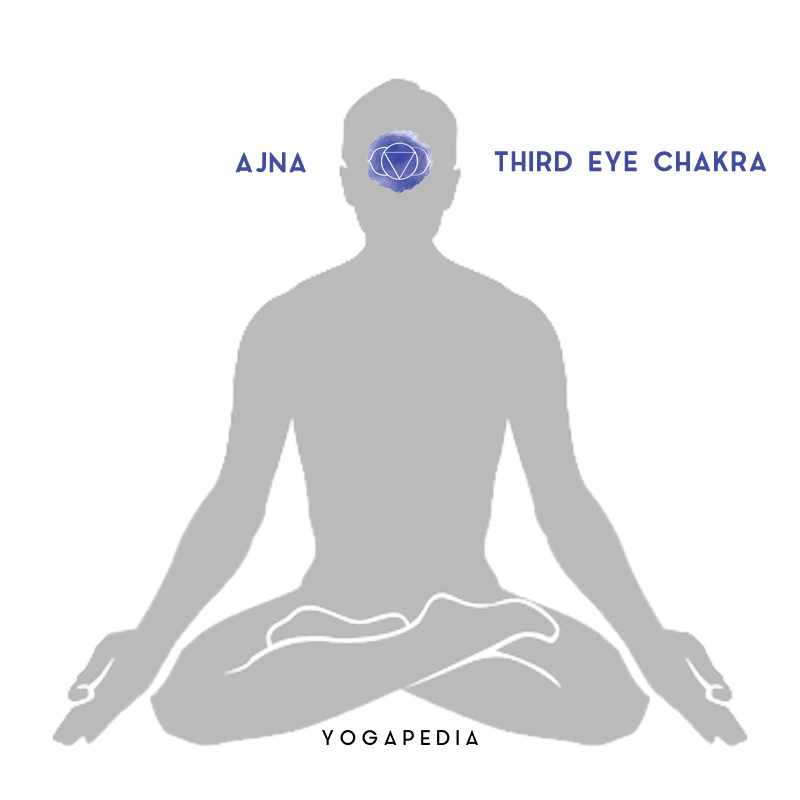
The third eye chakra, also known as the ajna chakra, is anatomically located between the eyebrows. It is related to our intuition and wisdom. The symbol for this chakra combine two lotus petals, a circle and an inverted triangle, each with a special meaning. The two lotus petals represent the Hindu deities Shiva and Shakti. The circle denotes the idea of a void “shunya” and the inverted triangle represents creativity and manifestation. The Bija Mantra for this chakra is “Om” and chanting this mantra at least 21 times per day can help keep this chakra clear of blockages. The deity for this chakra is Dattatreya, the divine representation of Brahma, Vishnu and Shiva. This chakra is also referred to as the guru chakra and relates to ones inner guru and connects us to universal intelligence. Chanting the mantra “Shri Guruvey Namah” can be very beneficial for keeping this chakra aligned.

The Third Eye chakra is associated with many crystals that can assist in meditation and the opening of the third eye. These crystals include lapis lazuli, sodalite, azurite and labradorite. Essential oils can be used to help with stimulating a dull third eye chakra. Some examples are holy basil, eucalyptus, peppermint, rosemary and frankincense. There are also essential oils that can help with mental stress and calming the mind, such as lavender, sandalwood and clary sage.

Imbalances of this chakra can present as issues with the pituitary gland and the endocrine system. If this chakra is blocked, it can also present as headaches, mental fog and migraines. The practice of yoga is very important for this chakra and all forms of yoga help keep this chakra aligned. Breathing exercises such as Bhastrika and Kapalbhuti are also very beneficial for this chakra.

Chakra Education: Throat Chakra (Vishuddha)

The Vishuddha chakra, more commonly known as the throat chakra, is anatomically located at the level of the thyroid gland. Physiologically, this chakra relates to the cervical plexus of nerves. This chakra is dominant during the ages of 28 to 35 and relates to communication and self-expression. The Bija Mantra for this chakra is “hum” and can be chanted during meditation with the bhramari mudra to keep this chakra clear of any blockages. The deity for this chakra is the five-headed Shiva symbolizing Aghora, Ishana, Mahadeva, Sada Shiva and Rudra. In regards to imbalances, chanting a mantra for Lord Hanuman helps align this chakra. The mantra that should be chanted is “Om Hum Hanumate Namah”. It is auspicious to chant this mantra on Tuesdays and Saturdays as these are days of the week dedicated to Lord Hanuman.

Crystals are very useful tools to be worn or used during meditation to help cleanse the Vishuddha chakra. Crystals associated with this chakra are angelite, moonstone, amazonite, blue calcite and aqaumarine. Essential oils that can be used to keep the Throat Chakra aligned are lemon, orange, bayberry, bergamot and sandalwood.

Imbalances in this chakra can occur due to stress and feelings of not being able to express yourself. This imbalance can manifest physically as lymphatic congestion in the chin and sub-mandibular area. This can then affect surrounding lymph nodes and present as pain in the back or front of the ears and tinnitus (ringing in the ears). A blockage in this chakra can also present as issues with your voice, such as hoarseness, stuttering or loss of voice.

Chakra Education: Heart Chakra (Anahata)

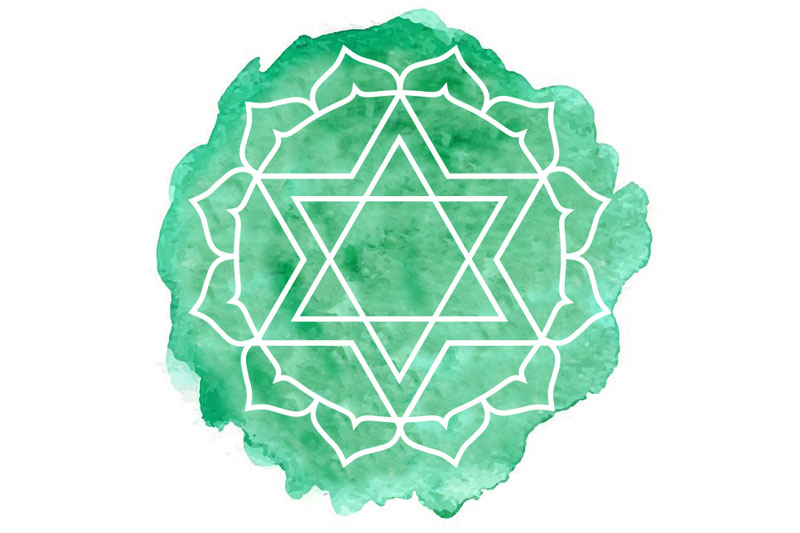
The heart chakra, also known as the anahata chakra is anatomically located at the level of the sternum and physiologically at the cardiac plexus. This chakra is dominant during the ages of 21 to 28 and relates to sustenance. The Bija Mantra for this chakra is “yam”. Lord Vishnu, in the form of himself or Lord Krishna, is the Hindu Deity associated with this chakra. Chanting the mantra “Om Namo Bhagavate Vasudevaya” aligns this chakra and keeps it clear of blockages. It is auspicious to chant this mantra on Thursdays as this is the day of the week dedicated to Lord Vishnu. Anahata is also associated with the air element and due to this association some people also pray to Lord Hanuman. Lord Hanuman is known as “pawan putra” or “son of air” and people pray to overcome fears and any issues with this chakra.

Crystals that can be used during meditation or prayer to help cleanse the Anahata chakra are green aventurine, green apatite, rose quartz, malachite, emerald, peridot and jade. Essential oils that can be used to keep the Heart Chakra aligned via aromatherapy and other practices are tea tree oil, peppermint, lavender, eucalyptus and tulsi/holy basil. The tulsi plant is said to have many healing properties and is a plant that promotes detachment, which allows you to follow your dharma.

Imbalances in this chakra can occur when one has too many attachments in this world. This is something I have struggled with for the past year and have spent a lot of energy and time working on. This imbalance can manifest physically as lymphatic issues in the axillary or cervical regions and leads to upper back pain or breast issues. Which I have personally also experienced. The anahata chakra is related to the thymus gland, which is predominantly known for assisting in T cell function in our immune systems. Therefore, imbalances can precipitate as infections and poor immunity. A type of yoga that can assist with imbalances is Kriya yoga and should be done under experienced supervision.

Palak Paneer

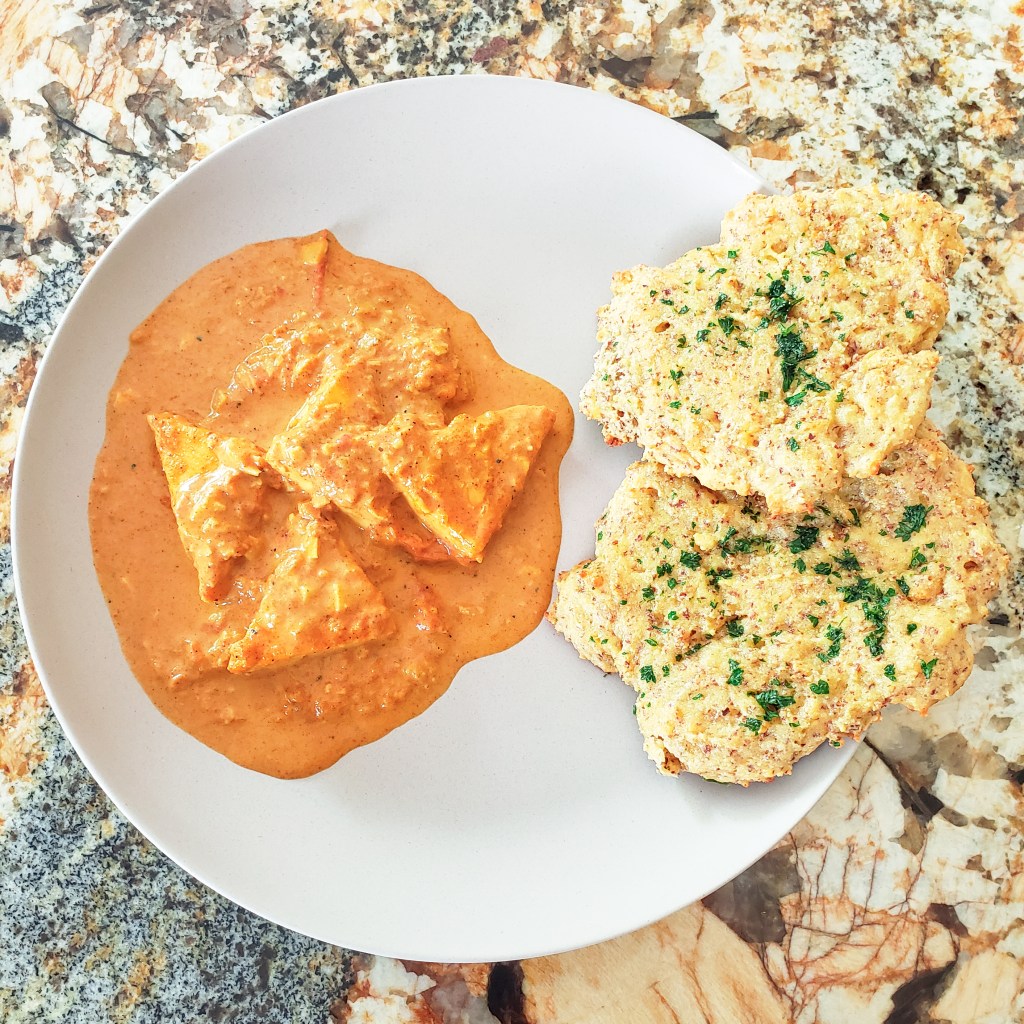
One of my favourite Indian dishes is Palak Paneer! I usually don’t like doing introductions on recipe posts because when I look for recipes I just want the ingredient list and the directions, not the whole backstory behind the recipe. However, for this one it has a bit of meaning to me because it reminds me of my boyfriend. My boyfriend’s name is Palak, which has a great meaning in Gujarati. Growing up I would giggle and think of him every time I saw his name on a menu at an Indian restaurant. His name translates to spinach in Hindi so as a nickname I would call him what we call spinach in West Indian culture “Bhaji anytime I would talk about him lol. Now as an adult being able to make this dish for him and having it come out so well makes me so happy. I love that this dish is keto and can be eaten with my previous keto naan recipe or with konjac or cauliflower rice. Hope you all enjoy this recipe!

Ingredients:

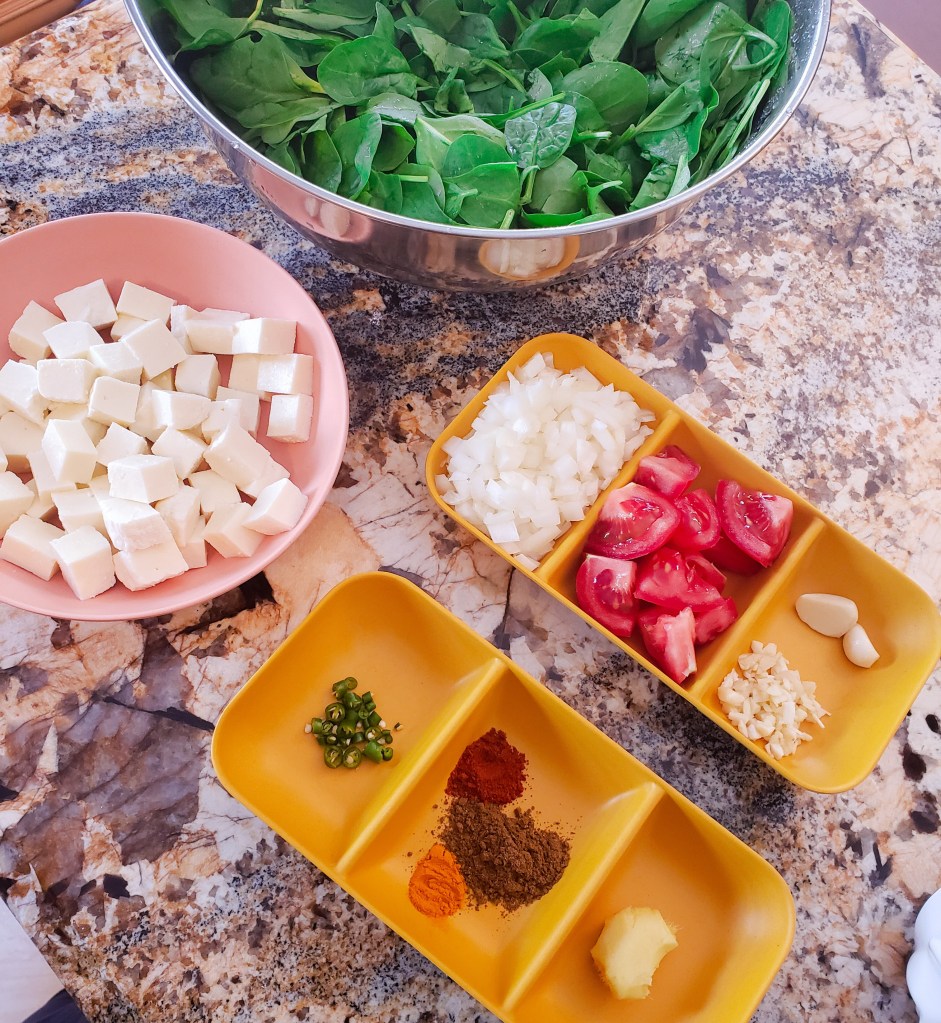
  1. One package of spinach (labelled as 300g)
  2. One package of paneer (labelled as 340g)
  3. Two green chillis
  4. Five cloves of garlic (3 whole, 2 finely chopped)
  5. One medium tomato (cubed)
  6. One large onion (finely chopped)
  7. 1/2 cup of water
  8. 1 inch of ginger (peeled)
  9. Cooking oil
  10. 1 teaspoon of garam masala
  11. 1/4 teaspoon of turmeric powder
  12. 1/4 teaspoon of chilli powder
  13. Salt (as per your taste)
  14. 3 tbsp of 18% or 25% milk (table or heavy cream)
  15. 1 teaspoon of kasuri methi/fenugreek leaves (crushed)
  16. Lemon juice (as per your taste)

Preparation Tip:

Soak store bought paneer in boiling water to soften it up. Make sure you take the paneer out of the packaging before putting it into the bowl. Leave it in the bowl of water for approximately 20 to 30 minutes.

Directions:

  1. Boil a pot of water, add salt. Once the pot is boiling, add spinach and cook for 3-4 minutes until the spinach is wilted.
  2. Put the cooked spinach in a bowl filled with ice and cold water. This helps the spinach retain its colour.
  3. Add the cooked spinach (drained), green chillis, tomato, three cloves of garlic (whole) and ginger into a blender. Blend until it becomes a uniform paste.
  4. Heat your pot to medium heat and add cooking oil
  5. Add two cloves of finely chopped garlic and sauté until it begins to turn light brown (be careful not to burn the garlic)
  6. Add the chopped onion and cook until it becomes translucent and soft.
  7. Add the spinach mixture (that was previously blended) and 1/2 cup of water.
  8. Mix together and cover the pot allowing it to simmer for a total of 12 minutes. Be sure to mix regularly to avoid any burning or sticking to the bottom of the pot.
  9. Add garam masala, turmeric, chilli powder and salt. Mix together.
  10. OPTIONAL: if the spinach is bitter, you can add a 1/2 teaspoon of sugar.
  11. Let it cook for 2 minutes
  12. Add table or heavy cream and mix.
  13. Add the paneer (chopped in cubes). Let simmer for 5 minutes.
  14. Take off the stove, add crushed kasuri methi/fenugreek leaves and lemon juice and stir.
  15. You can now serve your dish and enjoy!

Chakra Education: Solar Plexus Chakra (Manipura)

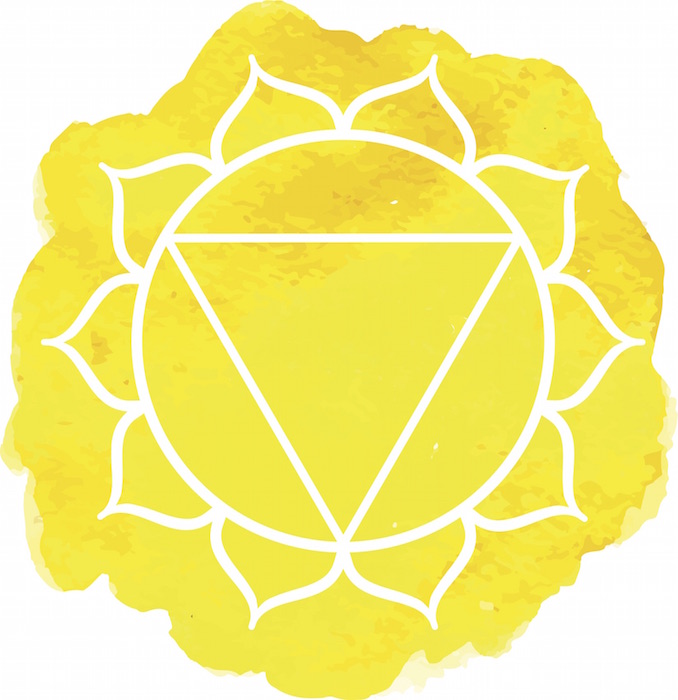
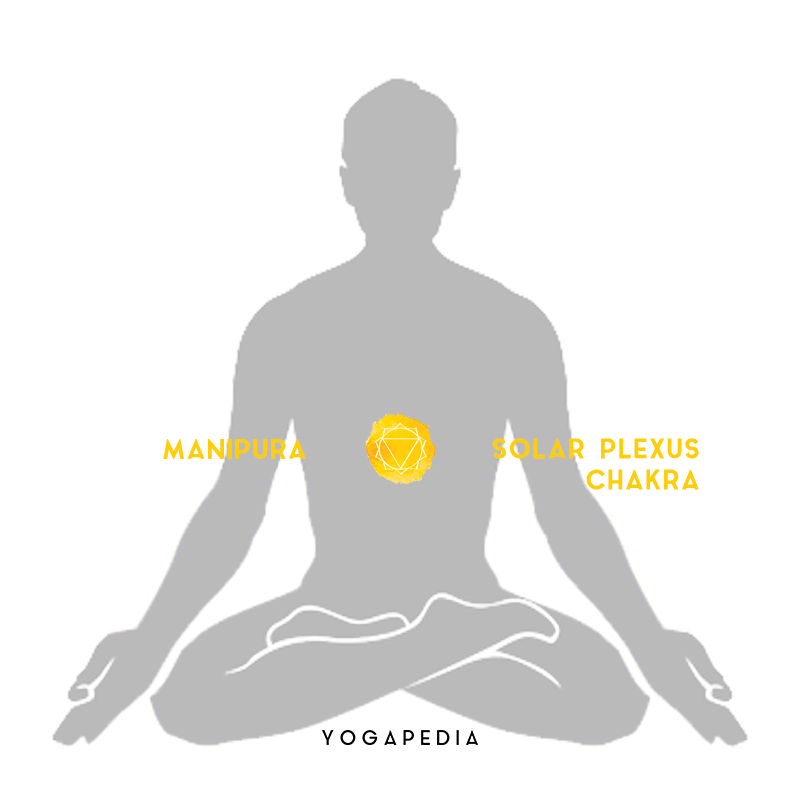
Manipura, more commonly known as the Solar Plexus Chakra is located anatomically in the same region as the celiac plexus. The connection of this chakra to the central nervous system makes any imbalances precipitate as CNS symptoms. This chakra represents our lower minds and controls our motivation, reasoning, life ambitions and logical thinking. This chakra governs the establishment of our human ego. The Bija Mantra for this chakra is “Ram” and chanting this mantra during meditation helps keep this chakra clear of blockages. The Hindu God associated with this chakra is Shri Ram. Chanting “Om Shri Ram, Jai Ram, Jai Jai Ram” is said to help keep this chakra aligned. It is also beneficial to chant the Gayatri Mantra as it is written in the Ramayan that Shri Ram comes from a lineage of the sun.

Crystals that can be used during meditation or prayer to help cleanse the Solar Plexus are citrine, tiger’s eye, pyrite, yellow sapphire and sunstone. Keep in mind that wearing too many Solar Plexus crystals can lead to an overactive chakra. This needs to be balanced by also wearing green heart chakra crystals. Some essential oils that can be used to keep the Manipura Chakra aligned via aromatherapy and other practices are Turmeric, Lavender, Chamomile, Cardamom, Clove, Black pepper and Rosemary.

This chakra is related to the pancreas and as a result any imbalances in pancreatic cells producing glucagon or insulin can be seen via pancreas issues such as diabetes or abnormal blood glucose levels. The Solar Plexus Chakra lymphatically is related to the abdominal cavity, therefore issues of the intestines and abdominal aorta can be seen. As mentioned above, CNS imbalances can also be seen as hypertension, heart issues, headaches and migraines. Yoga abdominal breathing exercises and alternate nostril breathing (anulom vilom) can help with any blockages.

Keto Naan

Ingredients:

  • 1 1/2 cups of almond flour
  • 2 tbsp of sour cream
  • 3 cups of cheese (shredded)
  • 2 large eggs
  • 1 tbsp of baking powder
  • 2 tbsp butter
  • Fresh parsley chopped
  • Garlic powder

Directions:

  1. Preheat the oven to 375 degrees F.
  2. Line a baking tray with parchment paper.
  3. In a microwaveable bowl, combine the sour cream and shredded cheese. Microwave for 2 to 3 minutes, stirring every 30 seconds.
  4. In another bowl, mix the almond flour, baking powder and eggs to form a dough.
  5. Add the microwave mixture to the dough and knead quickly (note: this mixture is hot so use a spatula if you are heat sensitive).
  6. Place the mixture in the refrigerator for 15 – 20 minutes, allowing the dough to become less sticky.
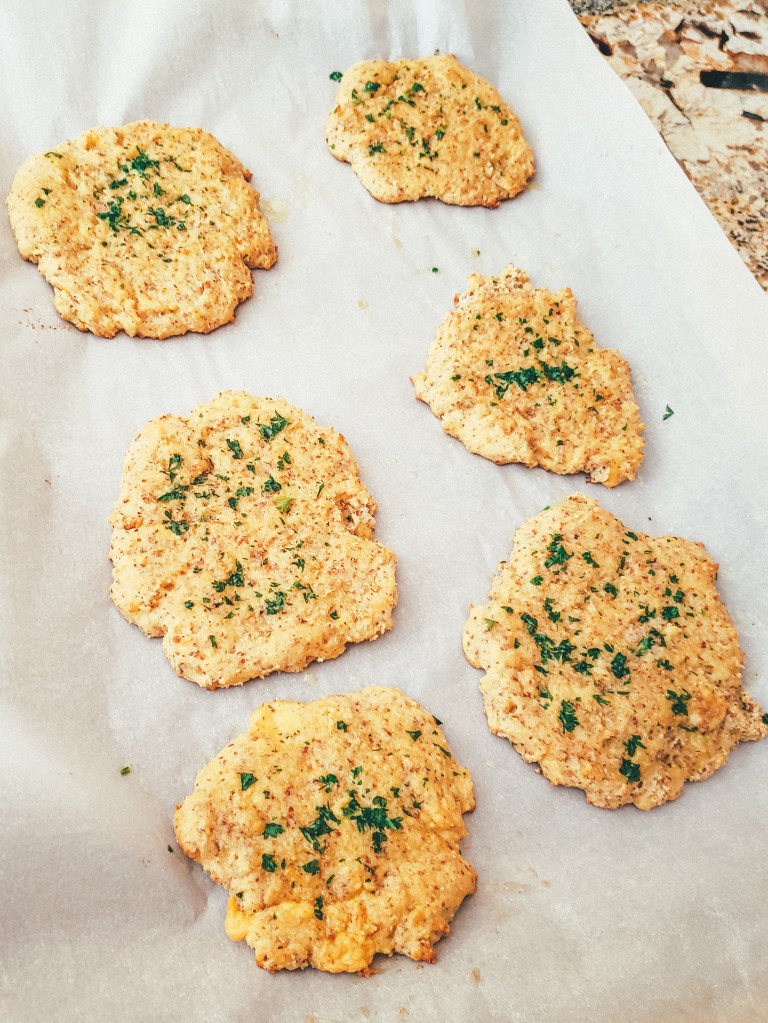
  7. Take a medium sized piece of dough and roll into a ball. Place it on the parchment paper and then shape into a flatbread/naan shape. Repeat until the dough is done (this recipe makes approximately six naan).
  8. Bake the naan for 9 – 11 minutes.
  9. While the naan is baking, melt the butter in a the microwave.
  10. Add freshly chopped parsley and garlic powder to the melted butter and brush the mixture over the naan after the baking time has passed.
  11. Put the naan back into the oven for two more minutes to allow the butter mixture to soak in.

Chakra Education: Sacral Chakra (Swadhisthana)

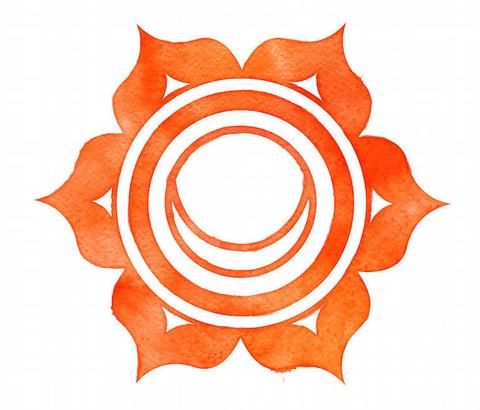
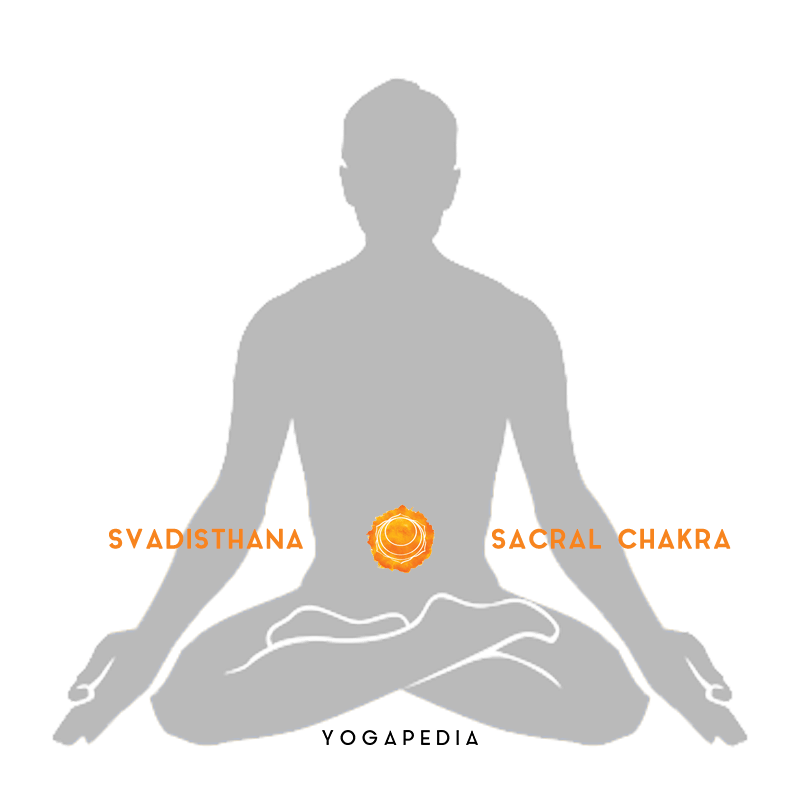
The Sacral Chakra, also known as Swadhisthana is located in the pubic area just above the pubic bone and is said to regulate the gonads and sex organs. This chakra represents the desire centre of an energy being. It is related to our emotional balance, materialism, and procreation. The Bija Mantra for this chakra is “Vam” and chanting this mantra helps keep this chakra clear of blockages. The Swadhisthana chakra is associated with Kuladevata, an ancestral deity that is a form of Shakti . Chanting the following mantras is said to help keep this chakra aligned and remove any family curses: “Shri Kul Devtayeh Namah” and “Om Shri Durga Deviyahe Namah”. Ayurveda associates this chakra with the water element and is therefore affected by lunar phases. Moon phases can influence our body to experience low and high tides, which are manifested as mood swings during a full moon.

There are many crystals and essential oils that can be worn or used during meditation or prayer to help align the Swadhisthana Chakra. The ruling planet for the Sacral Chakra is Venus. There are also two other Hindu planets associated with the moon, Rahu and Ketu that are considered ruling planets. Crystals that are great for the Sacral Chakra are moonstone, carnelian, mother of pearl, and honey calcite. The Shiva Lingam is also linked to this chakra as it represents the integration between Divine Masculine and Divine Feminine energies. Essential oils that can be used to keep the Sacral Chakra aligned are Ginger, Jasmine, Clary Sage, Juniper Berry and Sandalwood.

Since this chakra is related to the water element, imbalances can be seen through bodily fluids such as blood, lymph, saliva and urine. This can be present as menstrual abnormalities, circulatory issues or lymphatic issues. Emotional stress can also trigger an imbalance and can lead to other chakra imbalances such as imbalances of the heart and throat chakras. The practice of mula bandha yoga (a form of anal/genital contractions that is similar to kegal exercises) can help strengthen this chakra. It is also said that gentle massage of the inguinal lymph nodes can help promote energy flow and clear blockages.

Chakra Education: Root Chakra (Muladhara)

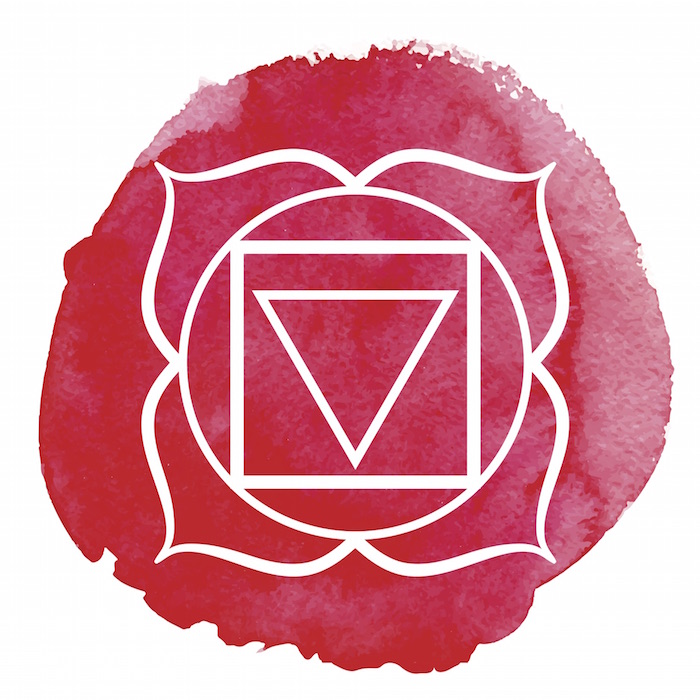
The Muladhara Chakra, more commonly known as the Root Chakra, is located in the perineum at the area of the pelvic plexus. This chakra represents our grounding to the physical world. The Bija Mantra for this chakra is “Lam” and chanting this mantra helps keep this chakra clear. The Muladhara chakra is associated with the Hindu Deity Ganesh. The following Hindu Ganesh mantras can be recited during meditation or prayer to help keep this chakra aligned: “Om Shri Ganeshaya Namah” and “Om Shri Gan Ganapathaye Namah”. Doing this on a Wednesday is very auspicious as this is the day of the week that is dedicated to Lord Ganesh.

There are many crystals and essential oils that can be worn or used during meditation or prayer to help align the Root Chakra. The ruling planet for the Muladhara chakra is Mars, so crystals such as garnet, red coral and red jasper are helpful. This chakra is also focused on grounding, so grounding crystals such as black tourmaline, hematite and obsidian are great for keeping this chakra aligned. Essential oils associated with the Root Chakra are Jatamansi (also known as Indian Spikenard) and Patchouli.

Since this chakra is related to our etheric body (physical) imbalances can affect our hair, skin, skeletal system and immune system. Some common imbalances are said to be represented through issues such as frequent illnesses, eczema, constipation and arthritis. Hatha yoga, Kriya yoga, reiki and the use of essential oils and crystals can help you minimize any imbalances. The element associated with the Root Chakra is “Earth”, so activities such as gardening and being in nature also help with alignment of this chakra.